WHAT IS EXOTIC LEATHER AND WHY DOES IT REPRESENT A TIMELESS LUXURY
Condividi
How to recognize genuine crocodile and python: a guide to authentic exotic leather
Exotic leather is a choice of style, culture, and aesthetic sensibility. But in today's market, not everything that looks like crocodile or python is authentic.
In this premium guide, you will discover how to distinguish genuine exotic leather from imitations and prints, and why only the real thing creates a lasting impression.
From the depth of the scales to its unique feel, every detail reveals the excellence of a natural, one-of-a-kind material destined to stand the test of time.
Why genuine exotic leather is unique
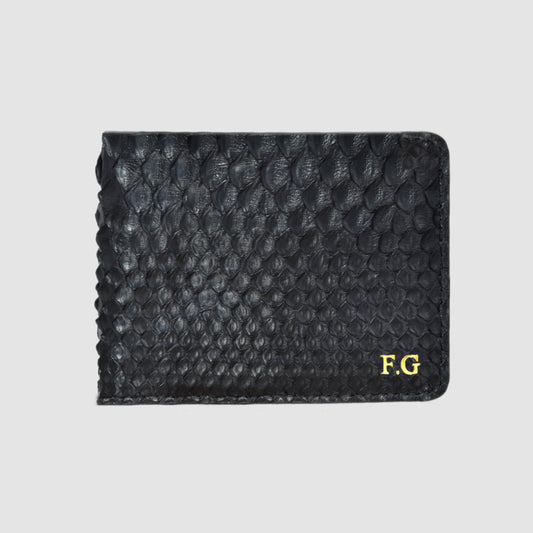
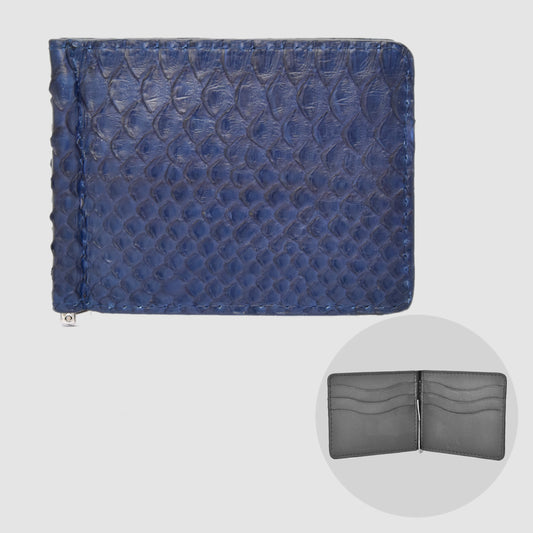
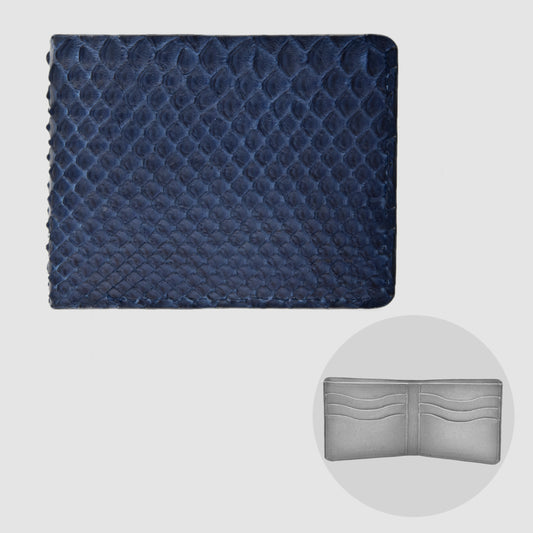
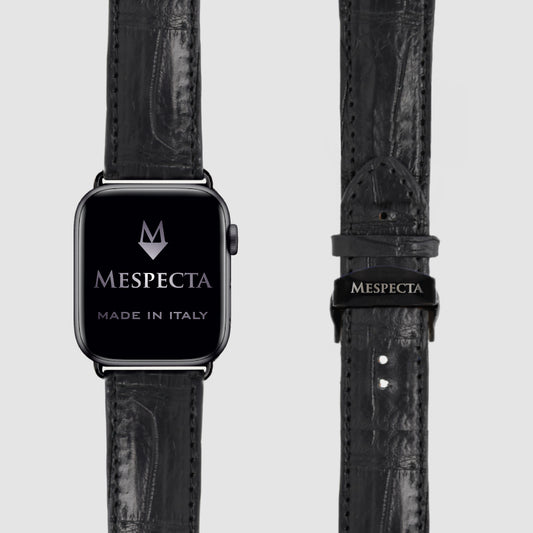
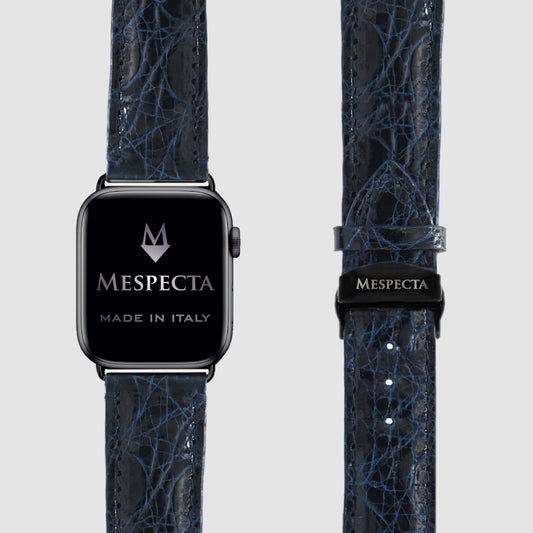
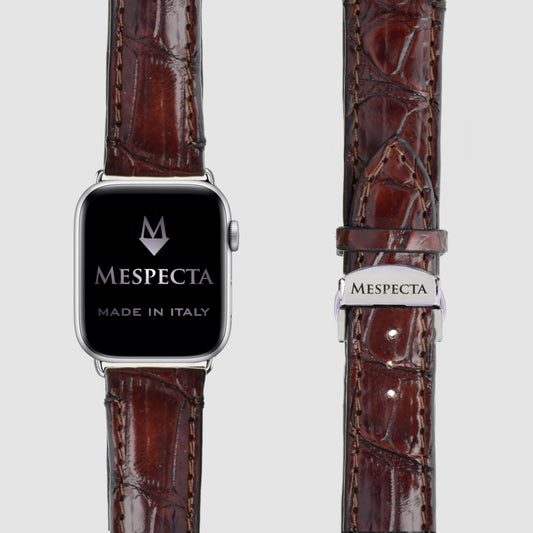
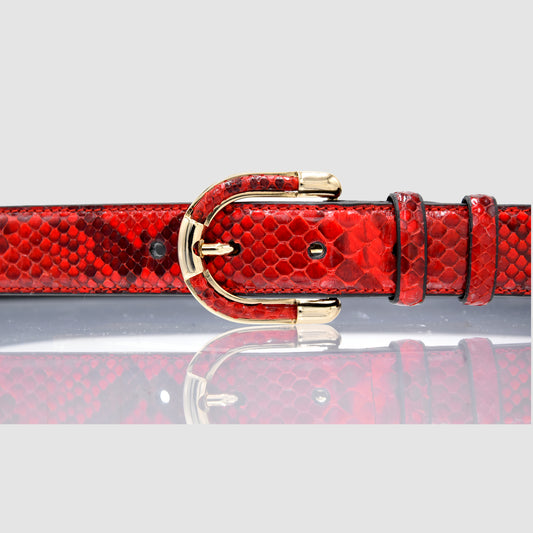
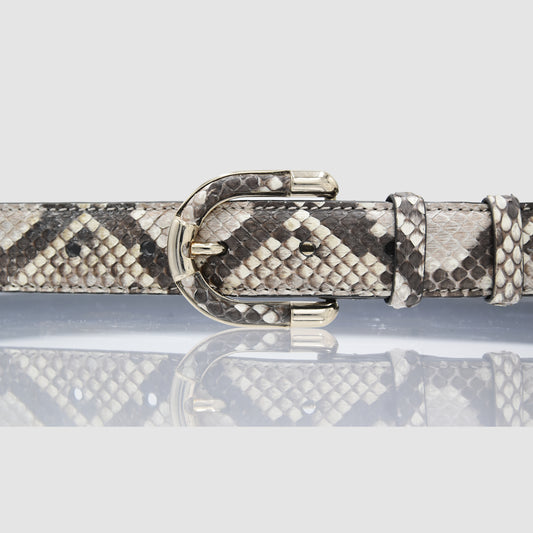
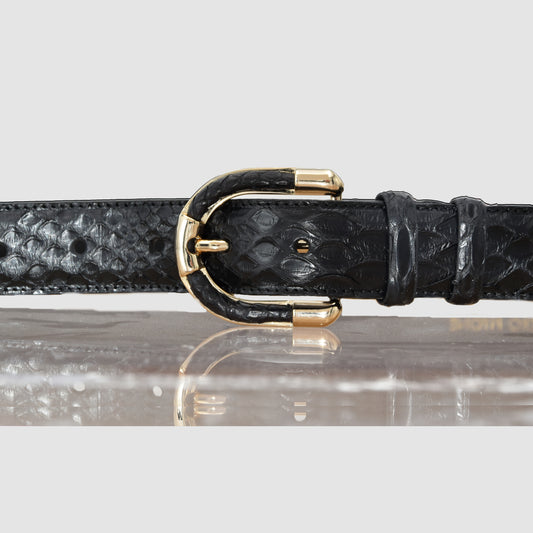
Genuine crocodile, python, or ostrich leather possesses a natural, three-dimensional beauty that cannot be replicated by prints or imitations.
Imitations tend to flatten the texture, losing depth and luster over time. Genuine exotic leather, on the other hand, lives with the person who uses it.
From its feel to the way light reflects off the scales, every detail tells the story of an authentic, unique, and one-of-a-kind material.
Durability and authenticity
Genuine python, crocodile, or ostrich leather is extraordinarily durable. Authentic bags and accessories improve with age, bearing witness to their quality.
Imitations, by contrast, tend to lose their texture, flatten, and give way at curves and edges. Genuine exotic leather retains its three-dimensional quality and natural feel.
Every detail, from the stitching to the natural creases, tells the story of the passage of time and the experiences the item has endured.
How to recognize it instantly
Those accustomed to the real thing recognize it instantly. Depth, light, and natural texture create an impression that no print can ever imitate.
A unique pattern, vivid details, and three-dimensional reflections indicate authenticity. Certified origin and consistent thickness complete the picture of an authentic product.